Blog · 6 min read
Porcelain vs Ceramic Tile: Which Should You Actually Buy?
Density, water absorption, PEI ratings, price per square foot, and the rooms where each material genuinely makes sense — without the showroom spin.
Free calculator — runs in your browser, nothing is uploaded.
The difference is water
Both are fired clay. Porcelain is fired hotter and longer from finer clay, ending denser with water absorption under 0.5%. Ceramic is more porous. That one number drives everything else: frost resistance, stain resistance, and hardness.
Porcelain's density makes it the default for floors, wet areas, and anywhere freeze-thaw is possible. Ceramic's softer body makes it easier to cut and cheaper — fine for walls and dry, low-traffic floors.
Reading the ratings
The PEI scale rates glaze wear resistance: PEI 1–2 is wall-only, PEI 3 suits residential floors, PEI 4–5 handles heavy traffic. Most porcelain floor tile is PEI 4+; much ceramic wall tile is PEI 1–2 and will wear through on a floor.
Through-body (full-body) porcelain carries its color all the way through, so chips barely show. Glazed ceramic chips to a different-colored body — a consideration on busy floors and stairs.
Porcelain picks
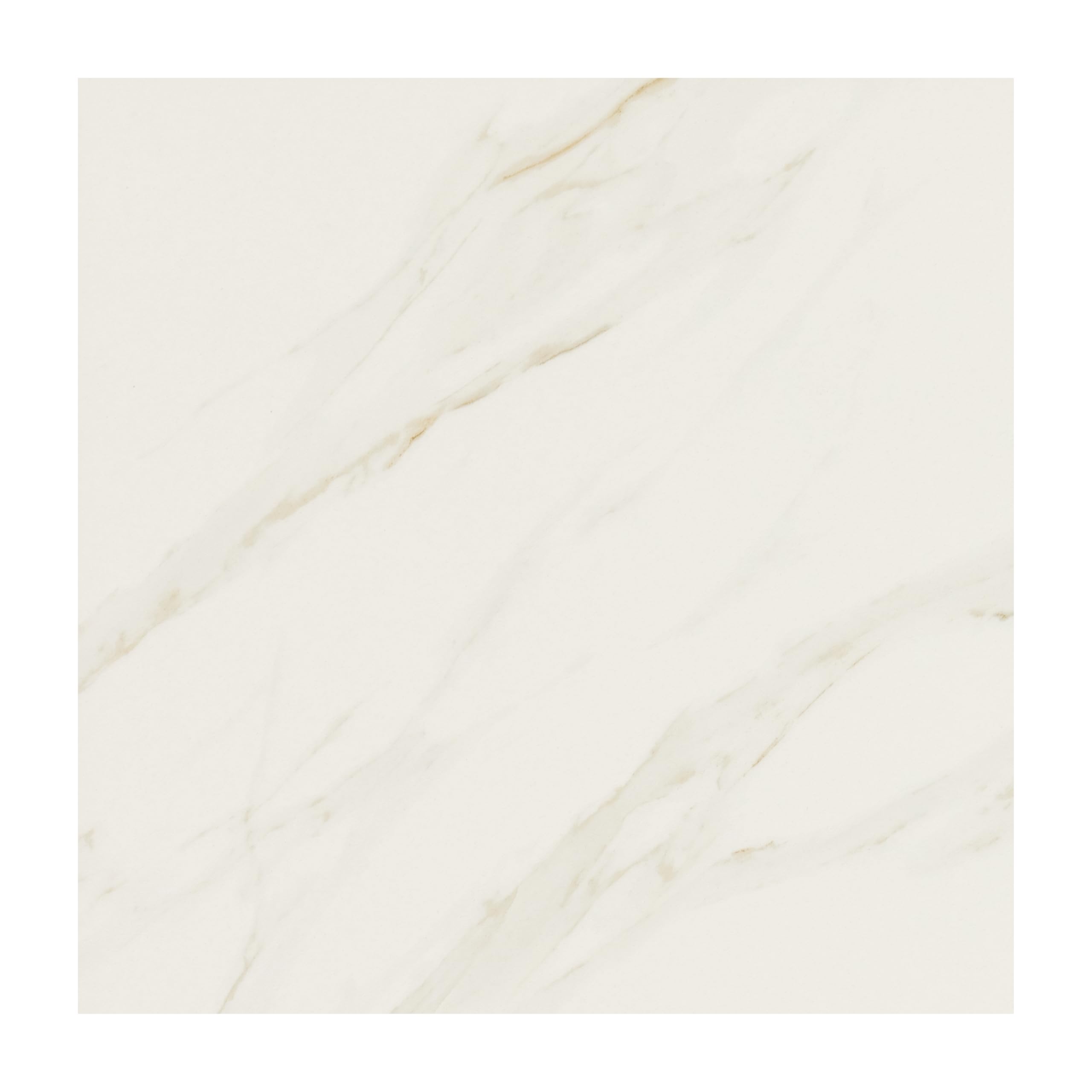
Daltile Florentine 12" X 12" Glazed Porcelain Floor Tile in Carrara (13 PC Per Carton) (12.22 SQFT Per Carton)
Check price on Amazon

Paid links — we may earn a commission at no extra cost to you.
The honest cost comparison
Ceramic runs roughly $1–5 per sq ft; porcelain $2–10, with premium looks beyond that. But the material is rarely the project's biggest line — labor, mortar, and prep don't care which box you bought.
Where the difference bites: porcelain is harder on blades and slower to cut, and large-format porcelain demands a flatter floor and often a leveling system. Budget the install, not just the tile.
Where each one wins
Decision shortcuts that hold up in practice:
- Entryways, kitchens, bathrooms: porcelain (water, grit, traffic)
- Shower walls and floors: porcelain or glass; ceramic only if rated for wet areas
- Outdoors anywhere with frost: porcelain rated for exterior use, period
- Backsplashes and accent walls: ceramic shines — cheap, easy to cut, huge style range
FAQ
Is porcelain tile always better than ceramic?
Better where performance matters (floors, wet areas, outdoors). For a dry wall or backsplash, ceramic's lower price and easier cutting make it the smarter buy — the extra density buys nothing there.
Can ceramic tile go on a bathroom floor?
Only if it's PEI 3+ rated for floors. Much ceramic tile is wall-rated only and will wear and crack under foot traffic. Check the box spec, not the showroom tag.
Why does porcelain cost more to install?
It's harder to cut (more blade wear, slower cuts), heavier to handle, and common in large formats that demand flatter floors and leveling clips. Labor typically runs $1–3 per sq ft higher.
Keep reading
- Choosing the Right Tile Size for Your Room
How tile size changes a room: when 12×24 beats 4×4, why small rooms can take large tile, grout line math, and the flatness rule for big formats.
- How Much Does It Cost to Tile a Bathroom? (Full Breakdown)
Real 2026 numbers for a 5×8 bathroom: floor, shower walls, and the prep line items quotes hide — demo, waterproofing, backer board and trim.