Grout Calculator
Tile and joints
Typical porcelain: 3/8 in (0.375)
Pounds per bag
Grout needed
0.4 lbs
- Recommended type
- Sanded grout
- Joint width
- 1/8"
- With 10% extra
- 0 lbs
- 25 lb bags to buy
- 1 bags
Mix full bags where possible so color stays consistent across the floor.
Tools the pros use for this job
Grout Float
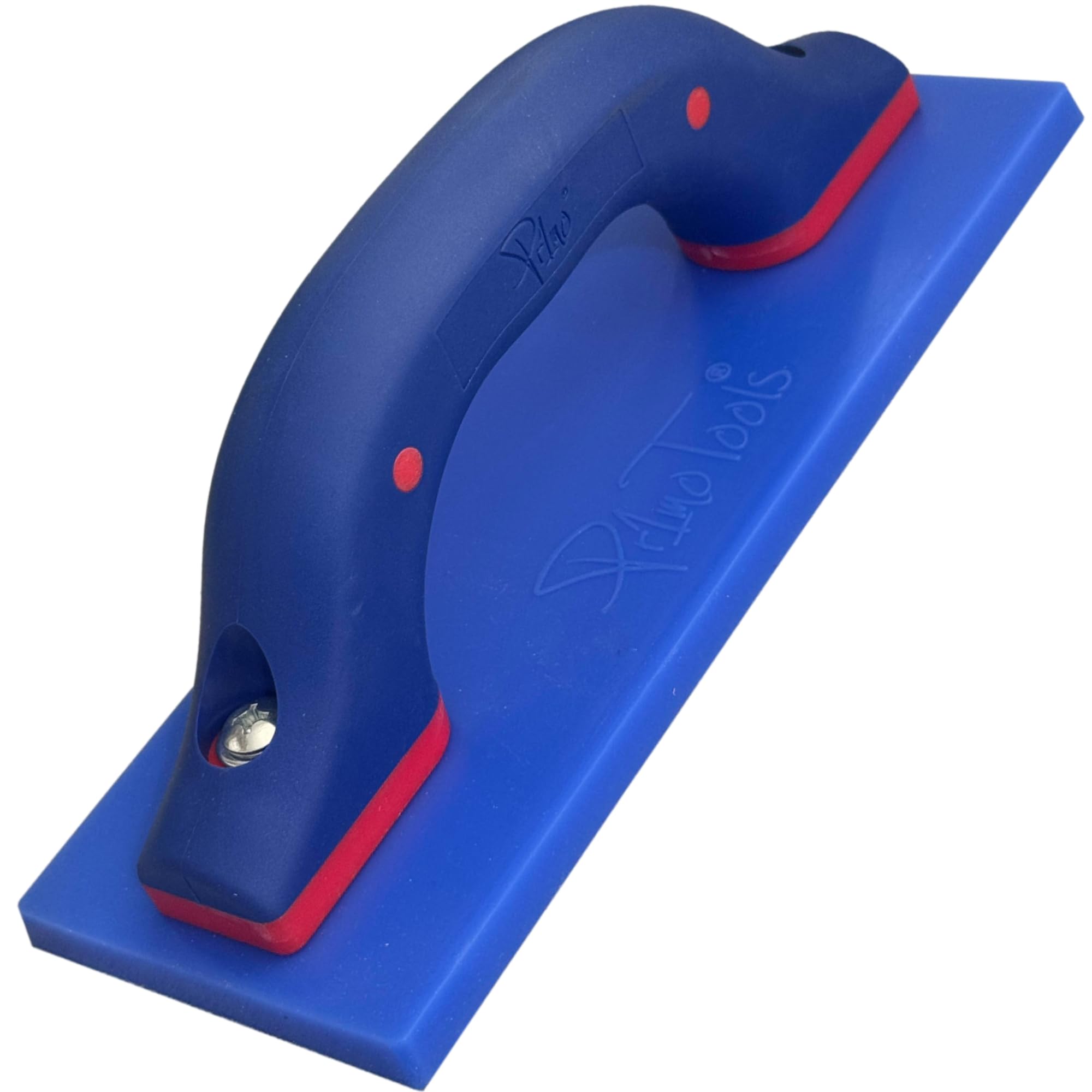
Sponsored Ad - TruBlue Urethane Grout Float for Tile, 3-1/2"x 9" | Soft and Flexible Tile Grout Float Tool with Comfort Grip Handle
Check price on AmazonA stiff rubber float packs joints fully instead of skimming them.
Grout Sponge
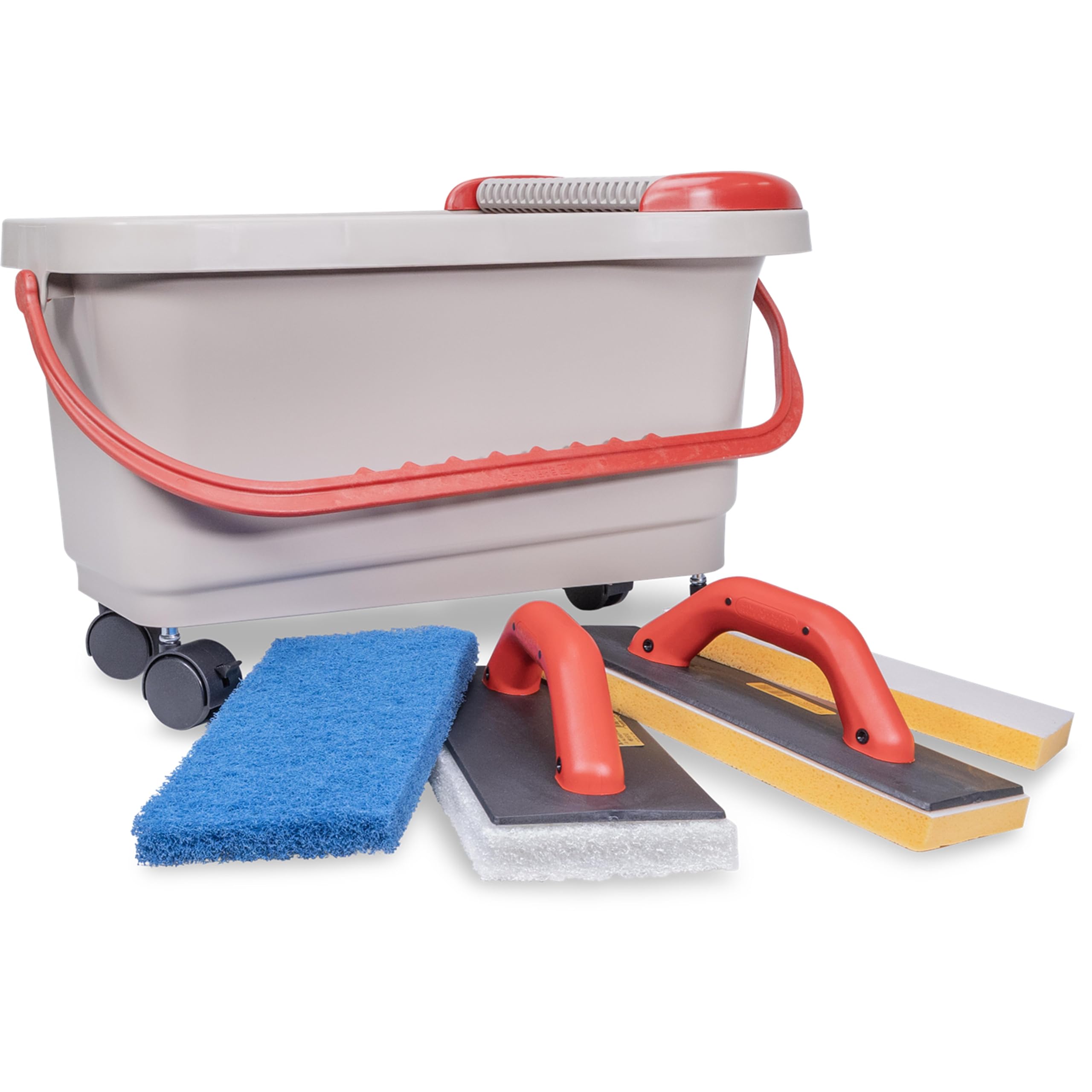
BARWALT Ultra Tile Grouting System, Grout Bucket Kit, Assembled in the USA | Grate and Slotted Sponge Sift Grout, Cuts Grouting Time Nearly in Half, Includes Wall and Floor Sponge, BWT81584
Check price on AmazonRounded-edge sponges clean haze without pulling grout out of joints.
Grout Sealer

AQUA-X 16 Oz. Grout Sealer, Clear Grout and Tile Sealer, Natural Finish, Professional Grade, Indoor & Outdoor, Fast Dry and Long Lasting Protection
Check price on AmazonCement grout stains fast — seal it once it cures.
Paid links — we may earn a commission at no extra cost to you.
How this calculator works
The estimate uses the standard industry formula: grout volume scales with the perimeter of each tile, the joint width, and the tile thickness, divided across the tile face area.
Sanded vs unsanded: use sanded grout for joints 1/8" and wider, unsanded for 1/16" joints and for polished stone or glass that sand would scratch. Epoxy grout goes further per pound but is less forgiving to work.
Buy about 10% extra — mixing a partial second batch to match color mid-job is how you get visible shade lines.
Frequently asked questions
How much grout do I need for 100 square feet of 12x24 tile?
With 1/8 inch joints and 3/8 inch thick tile, expect roughly 12–18 pounds — one 25 lb bag is usually enough, with margin.
Sanded or unsanded grout?
Sanded for joints 1/8 inch and wider. Unsanded for joints under 1/8 inch and for polished marble, glass, or any tile the sand could scratch.
Does epoxy grout use the same amount?
Roughly the same volume, but epoxy is sold by kit and covers more per pound. Follow the kit's coverage chart and mix only what you can install in about 45 minutes.
Related calculators
- Tile Quantity CalculatorHow many tiles you need for any room, wall, or floor — with waste.
- Thinset & Mortar CalculatorBags of thinset by trowel notch size and coverage.
- Shower Tile CalculatorWalls, floor, curb, and niche for a full shower surround.
- Tile Cost EstimatorTotal project cost: tile, grout, mortar, trim, and labor.
Guides worth reading next
- Sanded vs Unsanded vs Epoxy Grout: Which One Do You Need?Grout types explained by joint width and location: when sand scratches tile, why epoxy wins in showers, and how much of each type a bag actually covers.
- How to Grout Tile: Timing, Technique and the Two-Sponge MethodFrom mixing to the final haze buff: when to start wiping, how to avoid pulling joints low, cleaning epoxy haze, and when grout is actually cured.
- Grout Color: Match the Tile or Contrast It?What matching vs contrasting grout does to a room, why white grout is a maintenance commitment, and how to test color before committing to 200 square feet.