Blog · 5 min read
Natural Stone vs Porcelain That Looks Like Stone
Marble, travertine and slate vs stone-look porcelain: sealing schedules, etching, slip resistance, cost over 10 years, and where each belongs.
Free calculator — runs in your browser, nothing is uploaded.
The look argument is over
Ten years ago stone-look porcelain was obviously fake. Modern inkjet printing with dozens of unique faces per line reproduces marble veining and travertine pitting convincingly enough that most guests can't tell. The remaining visual difference is real: no two stone tiles repeat, and printed porcelain eventually does — if you look for it.
The maintenance divide
This is where the decision actually happens. Marble etches from acids — lemon juice, vinegar, many cleaners leave permanent dull spots. Travertine is porous and thirsty. All natural stone needs sealing on a schedule and pH-neutral cleaners forever.
Porcelain needs nothing: no sealer, no special cleaner, no etching. Over 10 years, a marble bathroom's maintenance (sealer, specialty cleaner, the occasional professional honing) adds real money and attention that porcelain never asks for.
If you choose stone: sealing supplies

AQUA-X 16 Oz. Grout Sealer, Clear Grout and Tile Sealer, Natural Finish, Professional Grade, Indoor & Outdoor, Fast Dry and Long Lasting Protection
Check price on Amazon
Miracle Sealants 511 Impregnator Penetrating Stone & Tile Sealer, Pint | Penetrating sealer for no-sheen stain, water & oil protection for granite, stone, tile, masonry & grout. Dries invisible.
Check price on Amazon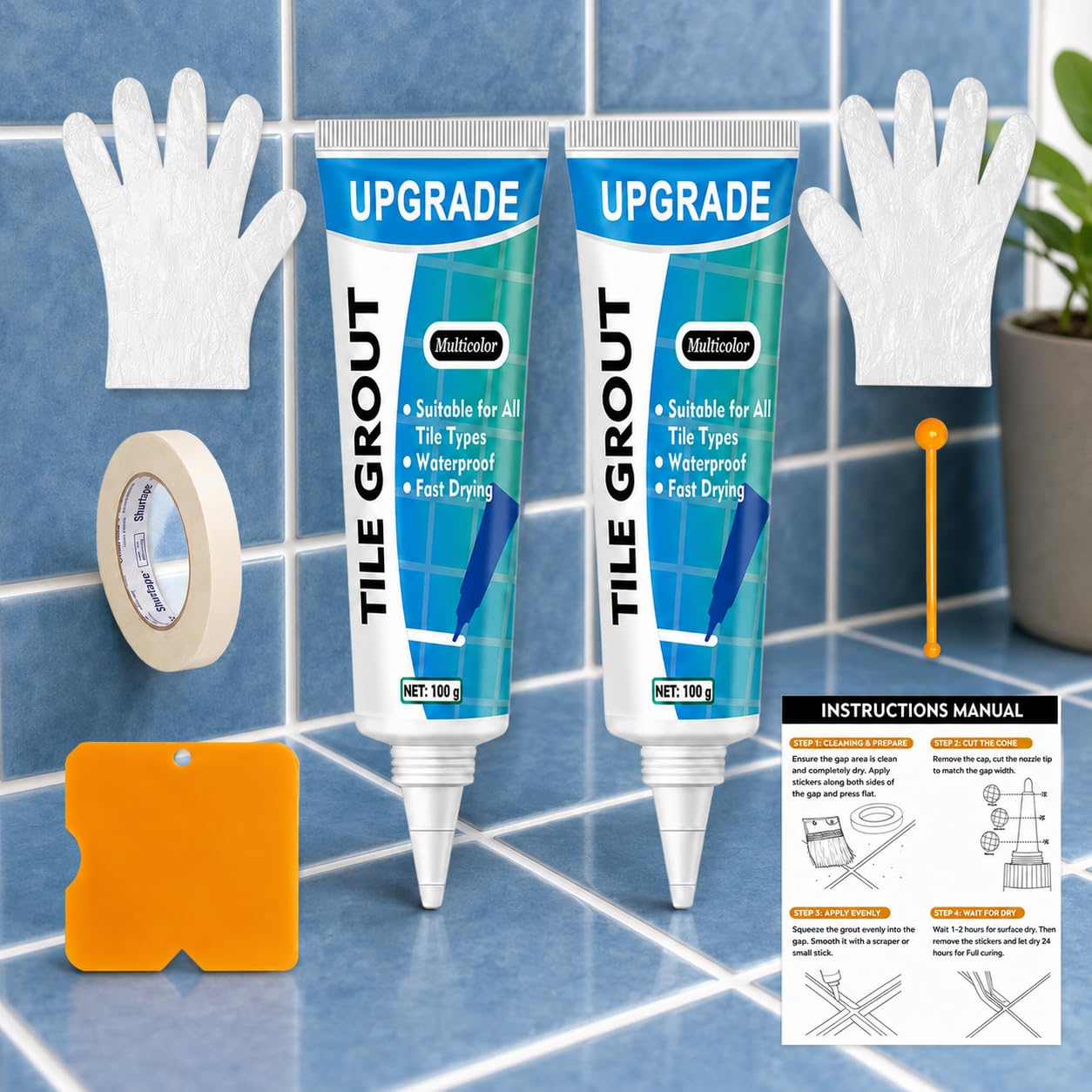
Tile Grout Repair Kit, 2 Pack Grout Paint for Bathroom Shower Kitchen Floor | White, 200g Fast Drying Tile Grout Filler Tubes, Grout Sealer for Restoring and Renewing Tile, Joints, Line, Gaps
Check price on Amazon
Paid links — we may earn a commission at no extra cost to you.
Where each belongs
Choose real stone when the material itself is the point — a showpiece primary bath, a fireplace surround, a foyer where authenticity supports a high-end home's story, and anywhere you'd enjoy the patina of a living material.
Choose stone-look porcelain for family bathrooms, kitchens, rentals, and anywhere with kids, guests, or a cleaning routine that includes vinegar. It's not a compromise anymore; it's the pragmatic default.
FAQ
Does natural stone add more resale value than porcelain?
In luxury markets, genuine stone reads as premium and can support price. In mid-range homes, buyers increasingly can't tell and won't pay for the difference — and some see stone as a maintenance chore.
Is stone slippery when wet?
Polished marble is genuinely slick. Honed and tumbled finishes have decent grip, and smaller formats with more grout lines add traction. For shower floors, choose honed stone mosaics or textured porcelain.
How often does stone need sealing?
High-traffic and wet areas: every 1–2 years. The water-drop test is the real answer — when water stops beading on the surface, reseal. Some dense granites barely need it; travertine always needs it.
Keep reading
- Porcelain vs Ceramic Tile: Which Should You Actually Buy?
Density, water absorption, PEI ratings, price per square foot, and the rooms where each material genuinely makes sense — without the showroom spin.
- How to Seal Grout and Tile (and What Never Needs Sealing)
Penetrating vs topical sealers, the water-drop test to know if you need it, sealing porcelain (no), sealing natural stone (yes), and the re-seal calendar.