Blog · 5 min read
Outdoor Patio Tile: Surviving Freeze-Thaw and Standing Water
Porcelain pavers vs standard tile outdoors, the absorption rating that decides survival, drainage slope requirements, and mortar choices for exterior slabs.
Free calculator — runs in your browser, nothing is uploaded.
The absorption rating is survival
Outdoors, tile failure is physics: water soaks in, freezes, expands 9%, and spalls the face off. Any tile for freeze-thaw climates must be porcelain with water absorption under 0.5% — 'impervious' rated. Standard ceramic outdoors in a cold climate is a one-winter experiment.
Check the box for the frost rating explicitly. 'Suitable for walls and floors' is an indoor rating; you want 'frost resistant' or 'exterior rated' in writing.
Slope and drainage come first
Outdoor tile must shed water: slope the slab 1/4 inch per foot away from the house, minimum. Water that ponds on tile freezes into ice sheets and works into the grout lines — no tile survives what bad drainage does to it.
If the existing slab ponds, fix it with a bonded overlay or leveling compound before tiling. Tiling over a puddle is scheduling a failure.
Outdoor-rated porcelain
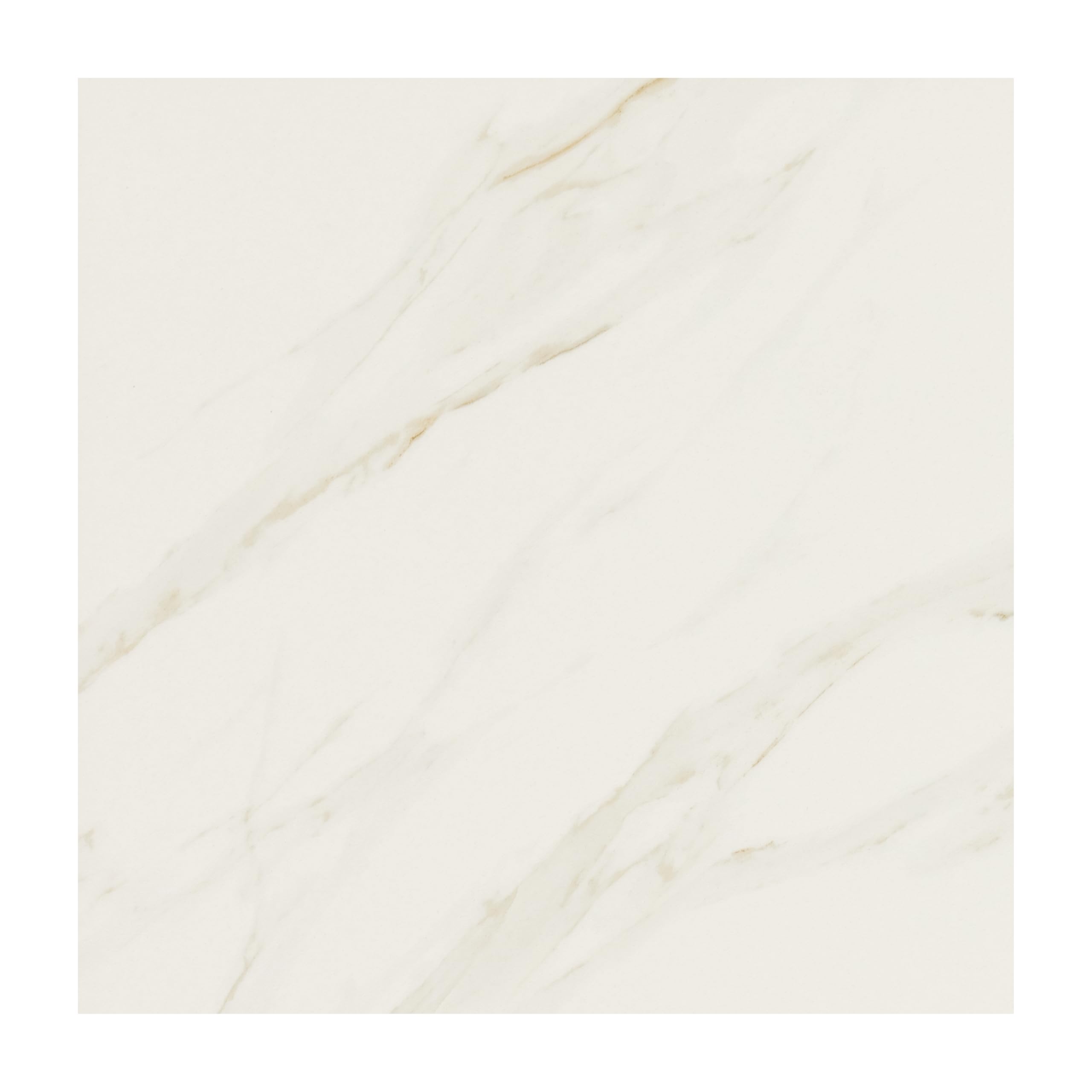
Daltile Florentine 12" X 12" Glazed Porcelain Floor Tile in Carrara (13 PC Per Carton) (12.22 SQFT Per Carton)
Check price on Amazon

Paid links — we may earn a commission at no extra cost to you.
Installation differences outdoors
Exterior installs need 95% mortar coverage (water in voids freezes and pops tiles), movement joints every 8–12 feet (sun expands a patio dramatically), and a polymer-modified mortar rated for exterior use.
The other path is porcelain pavers: 2 cm (3/4 in) thick tiles laid on pedestals or a sand bed, no mortar at all. They handle freeze-thaw superbly, drain through the joints, and individual pavers lift out for repairs — increasingly the pro choice for patios.
FAQ
Can I use indoor porcelain tile outside?
If it's impervious-rated (<0.5% absorption) and frost-rated, yes. Many indoor porcelains qualify on absorption but check the slip rating too — outdoor tile should be R10+ or textured for wet grip.
Do I need to seal outdoor tile?
Porcelain: no. Natural stone outdoors: yes, yearly, and choose carefully — many stones (marble, some limestones) shouldn't live outdoors in freeze-thaw climates at all.
What about tiling a covered porch?
Covered helps enormously — less standing water, less UV, less freeze exposure. Frost-rated porcelain is still required in cold climates, since 'covered' doesn't mean 'never wet or frozen.'
Keep reading
- Porcelain vs Ceramic Tile: Which Should You Actually Buy?
Density, water absorption, PEI ratings, price per square foot, and the rooms where each material genuinely makes sense — without the showroom spin.
- The 7 Tile Mistakes That Show Up a Year Later
Skips that pass inspection on day one and fail by month twelve: no membrane, thin coverage, slivers at the doorway, wrong caulk, and more.